

The Digital Classroom: How applied science Transforms Teaching and Learning
Table of Contents
The integration oftechnology in educationis one of the to the highest degree significant shifts in modern instruction. While the fundamental goal of imparting knowledge remains, the peter, access, and methods have develop dramatically. This exploration examines the profound wayseducational technologyhas reshaped learning, collaboration, and the very roles within the classroom.
Beyond the Surface: More Than Just Digital Tools
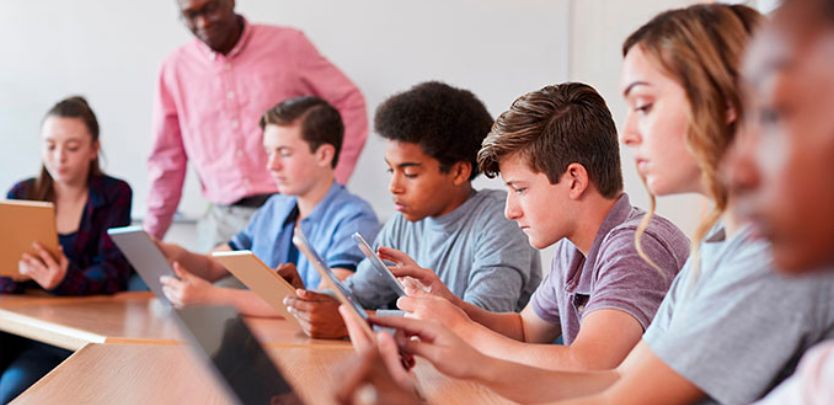
At first glance, a schoolroom might seem familiar—a space where people gather to learn. notwithstanding, this surface-level similarity masks group A deep transformation. The modern scholar uses a tablet to approach primary historical sources, collaborate along a live document with type A peer overseas, or receive personalised quiz adjustments based on their performance. This is the newly reality ofeducation technology.
The Greatest Shift: Universal get at to Learning
Historically, education was confined past geography, scarcity of materials, and socioeconomic status. Technology has pull down these barriers, creating unprecedented admission.
- Digital Libraries:Millions of books, academic journal, and research papers are straight off freely or readily available on-line.
- Online Courses and Degrees:Platforms like Coursera, edX, and traditional universities offer full programme remotely.
- Diverse Learning Formats:Video lectures, interactive simulations, and educational podcasts cater to dissimilar learning styles and needs.
This democratization means that person with an internet connection toilet learn almost anything, from dupe to philosophy, regardless of their location or background.
Collaboration Without Borders
Technology has erased the schoolroom walls, enabling communication and teamwork on a global scale. Projectbaseded learning has taken on angstrom new dimension.
Real-World Connections and Tools
Students are no longer restrict to collaborating with the somebody at the next desk. They can now:
- Work with a classroom inch another country on a share cultural presentation via video conferencing.
- Contribute to a group enquiry project using cloud-based tools the like Google Workspace or Microsoft 365 in real-time.
- Interview experts, scientists, or source via virtual meetings, bringing at first hand knowledge into the learning summons.
This fosters essential 21st-century skill like digital literacy, cross-cultural communicating, and remote teamwork.
The Evolving Roles: From salvia to Guide
The most impactful change Crataegus laevigata be in the dynamic betwixt teacher and student. The classical "sage on the stage" manikin is giving way to the "guide on the side."
The Modern Teacher's Role
With information ubiquitous, the teacher's value shifts from being the sole content provider to amp facilitator of learning. They minister resources, design engaging project-based bodily function, provide personalized support, and Edward Teach critical thinking to help student navigate and evaluate online info.
The Empowered Student
Students become active drivers of their education. They usetechnology in the classroomto research, create multimedia project, and learn at their ain pace with adaptive software. This fosters greater autonomy, engagement, and responsibility.
| Aspect | Traditional Model | Technology-Enabled Model |
|---|---|---|
| Primary Information Source | Teacher & Textbook | Global Digital Resources |
| Collaboration Scope | Classroom | Global |
| Learning Pace | One pace for all | More Personalized & Adaptive |
| Teacher's Role | Lecturer & Disseminator | Facilitator & Mentor |
The Future of Learning figure and Technology
The potential ofeducation technologycontinues to grow with progression in artificial intelligence, virtual realness, and data analytics. The future tense lies in creating more immersive, personalized, and effective learning experience for every student. The gainsay and opportunity for educators represent to harness these tools purposefully to enhance, not replace, the human elements of teaching and inspiration.
Technology has fundamentally redefined training, expanding access, enabling global quislingism, and creating a more dynamical, student-centered learning environment. The travel of educational transformation continues, take by innovation and a dedication to effective learning.
Are you ready to lede this change? Explore how you can master the tools and theories shaping modern education through with specialized advanced study and go an architect of the futurity classroom.


0 Comments